Jun 01, 2026 · View original article
Nvidia Puts Vera Rubin Into Full Production and Enters Windows PCs at Computex 2026
At its 1 June 2026 Computex keynote Nvidia said the Vera Rubin platform is shipping in five rack-scale systems, launched the RTX Spark PC chip and released a 550B-parameter Nemotron agent model.
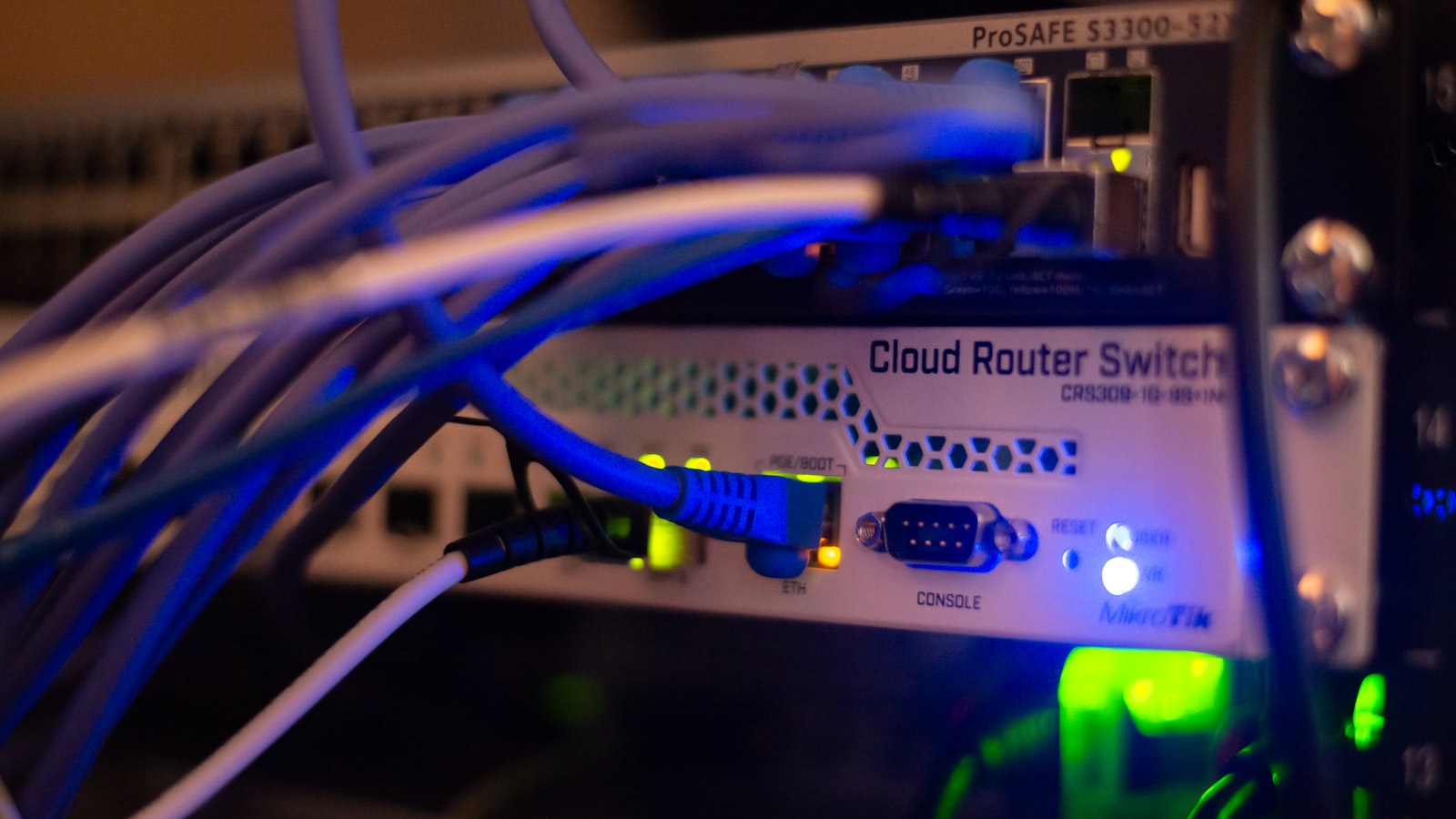
Jensen Huang opened Computex in Taipei on 1 June 2026 with confirmation that Vera Rubin, Nvidia's next data-centre platform pairing the 88-core Vera CPU with Rubin GPUs and Spectrum-X Ethernet photonics, has entered full production. The company said five rack-scale configurations are shipping, each built from close to two million parts sourced through around 150 Taiwanese ecosystem partners, and named CoreWeave, Lambda and Oracle Cloud Infrastructure among the first operators. Anthropic, OpenAI, SpaceX and Oracle were cited as initial recipients of Vera silicon. Huang claimed the platform delivers the lowest per-token inference cost in the industry, a figure Nvidia has not yet substantiated with independent benchmarks.
The second headline was RTX Spark, a system-on-chip for Windows PCs combining a 20-core Grace CPU developed with MediaTek and a Blackwell GPU with 6,144 CUDA cores, up to 128 GB of memory and about one petaflop of AI performance. It is Nvidia's first serious move into Arm-based Windows client hardware and positions the company against Qualcomm, Intel and AMD in the AI-PC segment, with Microsoft announcing a matching Surface developer box at Build.
Software announcements were oriented at agents. Nemotron 3 Ultra, a 550-billion-parameter mixture-of-experts model, was released with claims of up to five times faster inference and up to 30 percent lower cost on complex agentic tasks. NemoClaw, a reference blueprint, and OpenShell, a runtime, were introduced for deploying agents with isolation and policy controls, and Nvidia listed Perplexity, Palantir, ServiceNow and CrowdStrike as adopters. Physical AI updates included Cosmos 3 for world simulation and continued growth of the GR00T robotics models, which have passed 274,000 downloads.
The event confirms that infrastructure supply is no longer the primary constraint on frontier AI; power, integration lead times and the organisational readiness to run agents are. Vera Rubin's arrival also resets the depreciation clock for operators who bought Blackwell systems in 2025, and the vendor's push into PCs signals that on-device inference will be a standard assumption for enterprise software by 2027.
What it means for leaders
- Revisit capacity contracts. If your cloud commitments are priced on Blackwell-era economics, Rubin availability at CoreWeave, Lambda and OCI is a lever for renegotiation or for shifting agentic workloads.
- Plan for endpoint inference. RTX Spark-class PCs mean sensitive prompts and documents may be processed locally; update data-classification and DLP policies to cover on-device models, and fold them into device management standards.
- Scrutinise agent runtimes as you would middleware. NemoClaw and OpenShell join a crowded field of agent execution environments; evaluate sandboxing, audit logging and identity integration before standardising.
- Treat vendor performance claims as unverified. Cost-per-token and speed figures from keynotes should be validated in proof-of-concept before they enter business cases or board decks.
- Account for energy and sustainability disclosure. Rack-scale systems of this density will draw scrutiny under EU data-centre reporting rules and state-level ratepayer laws now spreading in the US; align AI infrastructure plans with ESG reporting.