Feb 17, 2025 · View original article
AI Is Now a Default Tool for Students: Insights from the 2025 EDUCAUSE Landscape Study
A February 2025 EDUCAUSE study showed that generative AI tools have become deeply embedded in higher education, with universities struggling to keep policies, skills and infrastructure aligned with student behaviour.
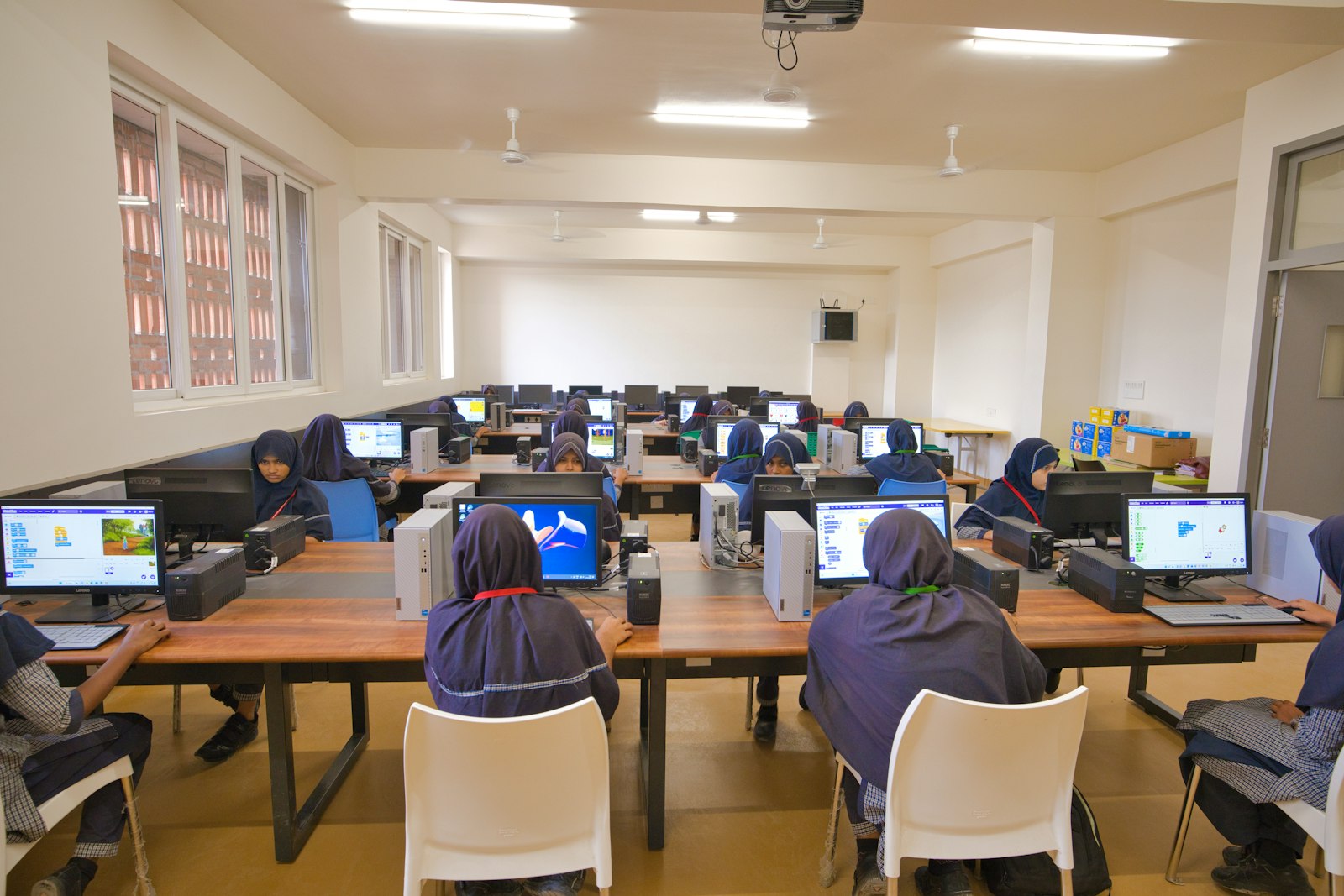
Beyond model launches and regulatory milestones, February 2025 also brought a quieter but equally important signal: generative AI has become a default part of student life. The EDUCAUSE 2025 AI Landscape Study, published that month, surveyed institutions across higher education and found that chatbots and copilots are now woven into everyday academic practice. For many students, AI is no longer a novelty or a controversial shortcut; it is simply part of how they read, write, code and study.
The report highlights several themes. First, adoption is widespread and growing. A large majority of students report using generative AI tools at least occasionally, and a significant subset rely on them weekly or daily. The use cases are varied: drafting essays, summarizing readings, debugging code, generating practice questions, translating content and brainstorming project ideas. Importantly, many students say these tools help them manage workload and reduce anxiety, particularly when facing dense technical material or tight deadlines.
Second, institutional strategies are still catching up. While most universities now have some form of AI policy, many of those documents are high-level statements about academic integrity rather than detailed guidance on how, when and why to use AI productively. Faculty attitudes are mixed: some embrace AI as a teaching tool, others ban it outright in specific courses, and many are simply unsure how to adapt assessments and teaching methods. The result is a patchwork where students can face radically different expectations from one module to the next.
Third, the study underscores equity concerns. Access to reliable devices, connectivity and paid AI subscriptions is uneven. Students from wealthier backgrounds or better-funded institutions may enjoy richer AI-augmented learning experiences, while others rely on free tiers with tighter limits or less capable models. Language and disability support are double-edged swords: AI can help non-native speakers and students with certain learning differences, but only if deployed thoughtfully and backed by support services.
For university leaders, February 2025’s findings amount to a call to action. Pretending that AI is peripheral is no longer viable; the question is how to integrate it responsibly. That means updating digital literacy frameworks to include AI literacy, training staff on both the benefits and risks of generative tools, and redesigning assessments to focus on higher-order skills that go beyond what models can easily automate. It also implies stronger investment in secure, institutionally supported AI platforms that respect privacy and data-protection obligations, instead of leaving students to rely solely on consumer apps.
From the perspective of Synergy AI Tech Solutions, the EDUCAUSE study reinforces the idea that education is one of the most important testbeds for responsible AI. Universities and colleges are microcosms where policy, pedagogy, technology and ethics intersect in visible ways. The decisions made now about acceptable use, disclosure, training and infrastructure will shape not only current students, but also the norms they carry into the workplace as future professionals and leaders.
For organizations outside academia, there is a direct implication: your next cohort of employees will arrive expecting AI-augmented workflows as a baseline. They will be accustomed to asking a model to summarize documents, draft emails, generate code snippets and explain complex topics on demand. Companies that fail to provide secure, well-governed alternatives will either see shadow AI flourish or risk being seen as technologically backward. February 2025’s snapshot of higher education is therefore also a preview of the cultural expectations that will soon permeate the wider labour market.