Nov 12, 2025 · View original article
Anthropic’s $50 Billion Bet on U.S. AI Infrastructure: What It Means for the Compute Race
On November 12, 2025, Anthropic announced a $50 billion plan to build custom AI data centers in Texas and New York with Fluidstack—another huge escalation in the global race for AI compute.
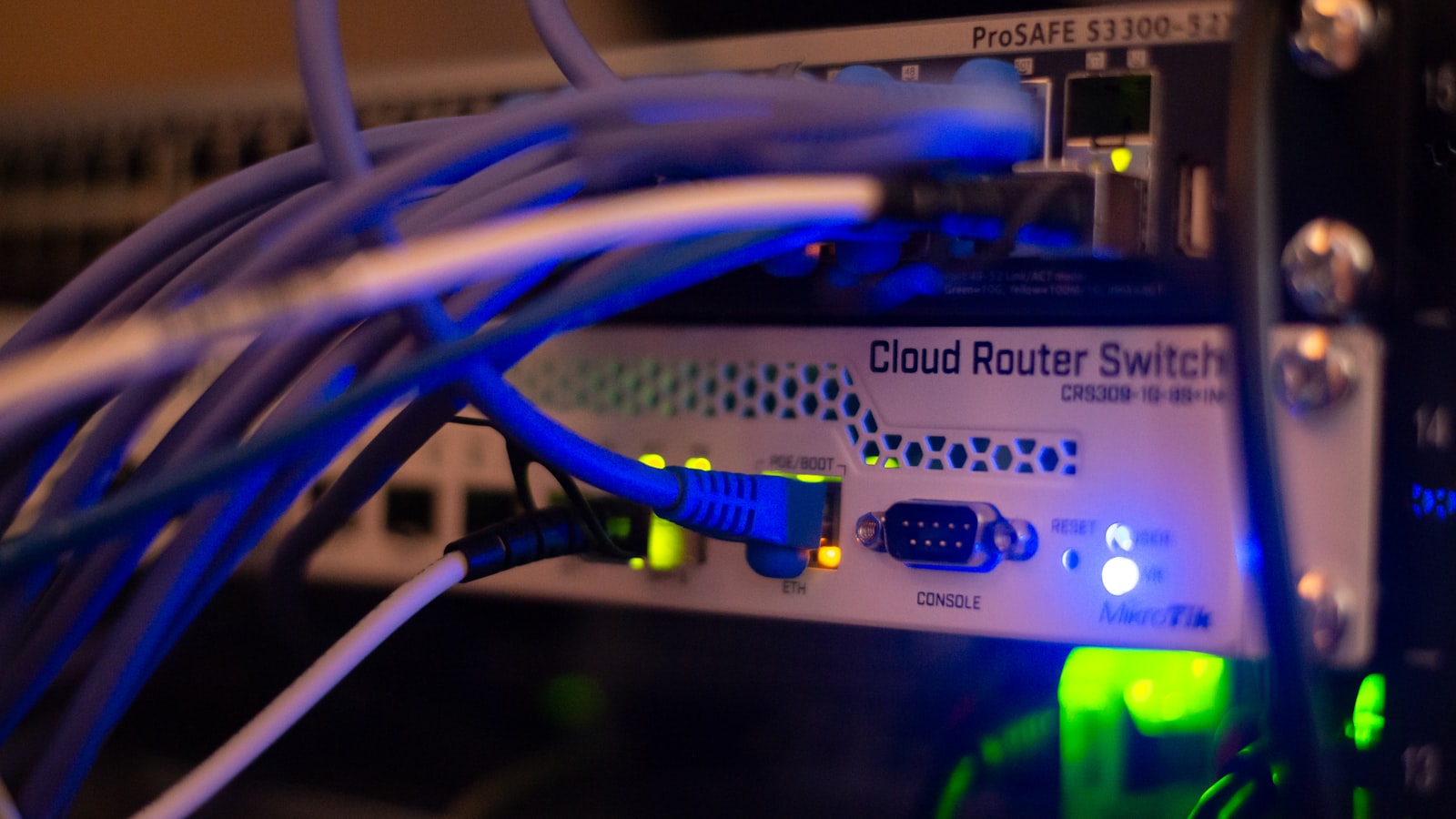
On November 12, 2025, Anthropic announced that it will invest around $50 billion to build new AI data centers in the United States, starting with sites in Texas and New York and with more locations to follow. The facilities will be built in partnership with Fluidstack and are designed specifically for Anthropic’s workloads, focusing on efficiency and scale. The company estimates that construction will create thousands of temporary and permanent jobs and bring several gigawatts of new capacity online over the next few years.
At first glance, this can look like just another big number in an industry full of big numbers. But the announcement marks a critical step in the ongoing “compute race” among frontier labs and cloud providers. It signals that Anthropic is not only relying on existing cloud infrastructure, but also helping shape a dedicated layer of AI-first compute that may underpin Claude and its successors for the rest of the decade.
There are several strategic layers to this move. The first is control over performance and efficiency. By designing data centers around its own model architectures and inference patterns, Anthropic can optimise everything from cooling layouts and networking topologies to storage hierarchies and scheduling systems. That kind of vertical integration can reduce per-token costs and make it easier to roll out new model families without being constrained by generic data-center designs.
The second layer is capacity assurance. Over the past two years, demand for GPUs and other AI accelerators has outstripped supply. Frontier labs have occasionally had to juggle training runs, inference workloads and enterprise commitments on a limited pool of hardware. By committing tens of billions of dollars to its own infrastructure roadmap, Anthropic is buying a kind of “capacity insurance” against future shortages, and signalling to customers that it expects to have the headroom needed to keep evolving Claude at the frontier.
The third layer is geopolitics and regulation. Locating a major share of its infrastructure in the United States, and particularly in states that are keen to attract AI investment, positions Anthropic within evolving debates about national security, export controls and energy policy. Data-center siting decisions are no longer just about land and electricity prices; they are part of broader industrial strategies where governments want AI jobs, AI research and AI infrastructure on their soil.
For enterprises, Anthropic’s $50 billion infrastructure plan matters less as a real-estate story and more as a risk-and-opportunity signal. On the opportunity side, it suggests that Claude will have a strong compute backbone for training larger and more specialised models and for meeting demand spikes from customers. On the risk side, it underscores how dependent many organisations are becoming on a small set of AI infrastructure providers whose decisions about investment, pricing and access can ripple through the entire ecosystem.
At Synergy AI Tech Solutions, we recommend that clients read announcements like this with three questions in mind:
-
Vendor resilience: How diversified is your AI stack across providers and hardware types? If one vendor experienced a capacity crunch or a major outage, could you shift workloads to others without months of rework?
-
Cost trajectory: Are you monitoring how large infrastructure deals influence the pricing of the AI services you consume—both directly (e.g., API prices) and indirectly (e.g., cloud credits, bundled offerings)?
-
Sustainability and location: Do your own ESG and data-residency goals align with where and how your AI vendors build and power their data centers? Large AI facilities will increasingly be scrutinised for their environmental impact and grid usage.
Anthropic’s November 2025 announcement shows that the AI infrastructure race is far from over. If anything, it is entering a phase where individual labs and clouds commit national-scale capital to secure their place in the stack. For organisations building AI strategies today, it is a reminder that compute is not an abstract resource; it is a concrete, capital-intensive asset that will shape who can innovate and at what pace.