Sep 23, 2025 · View original article
OpenAI, Nvidia and the Stargate Megaproject: The 10-Gigawatt AI Era Starts Here
In September 2025, OpenAI and Nvidia deepened their partnership with a $100B+ compute deal and new data centers under the $500B Stargate project—signalling a historic bet on AI infrastructure.
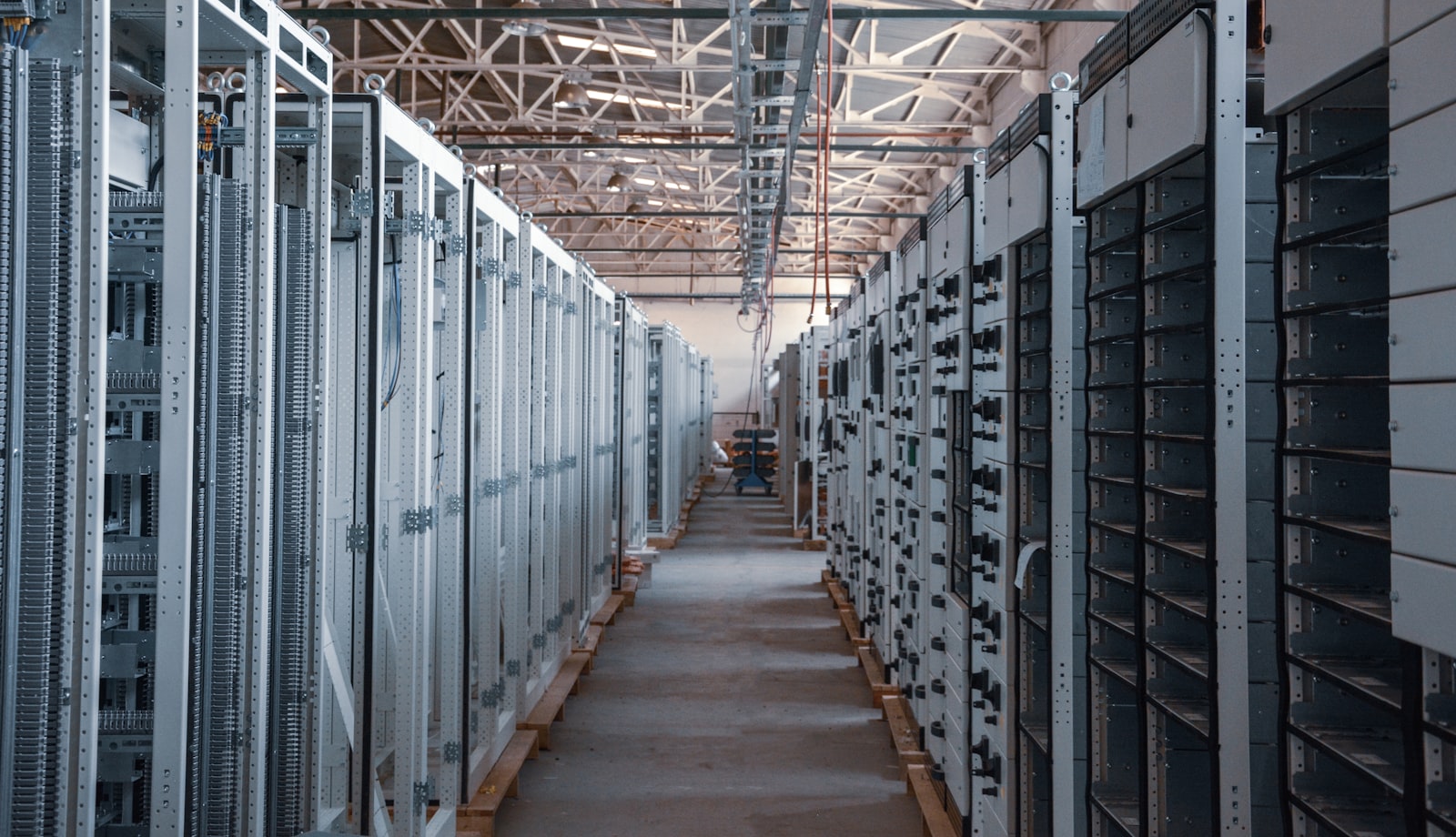
September 2025 will likely be remembered as the month when AI infrastructure stopped being “big” and became planetary in scale. A series of announcements detailed how OpenAI, Nvidia and other partners plan to build what is effectively a new layer of global compute dedicated to frontier models.
Analysts and tech newsletters highlighted a $100 billion strategic partnership between OpenAI and Nvidia, under which Nvidia will supply millions of GPUs and take a non-controlling equity stake in OpenAI. The deal is tied to the deployment of at least 10 gigawatts of Nvidia-based AI data-centre capacity over the coming years, making it one of the largest single infrastructure bets in the history of the tech industry.
In parallel, Reuters reported on the expansion of the so-called Stargate project—an umbrella initiative involving OpenAI, Oracle, SoftBank and other partners to build multiple hyperscale AI data centres across the United States. The September update described five new facilities planned in Texas, New Mexico, Ohio and another Midwest location, pushing total committed investment past $400 billion and total planned capacity toward 7–10 gigawatts of AI compute.
Why does this matter beyond headline numbers? First, it confirms that frontier AI has fully become an infrastructure business. Training and serving GPT-5-class models and their successors requires not just clever algorithms, but gigantic, power-hungry server farms with specialised networking and cooling. The barrier to entry for building such models from scratch is now measured in tens or hundreds of billions of dollars. That reality shapes who can realistically compete at the very top of the model stack.
Second, multi-party deals like OpenAI–Nvidia–Oracle reshape the cloud ecosystem. For years, much of OpenAI’s compute ran primarily on Microsoft Azure. Now, the company is simultaneously deepening its relationship with Nvidia, expanding with Oracle and exploring other partners. For enterprises, this is a preview of a multi-cloud, multi-vendor AI future where infrastructure, chips and models are negotiated across a web of alliances rather than locked into a single stack.
Third, the geographic choices are strategic. Locating data centres in places like Shackelford County (Texas), Doña Ana County (New Mexico) and Lordstown (Ohio) allows companies to tap into relatively cheap land and power while offering local job creation and tax revenue. The Stargate expansions alone are projected to create tens of thousands of direct and indirect jobs. At the same time, they raise questions about environmental impact, water use and grid reliability in regions that may not have been planning for such intense loads.
From a business-strategy perspective, the September 2025 announcements underscore a simple but important point: access to compute is now as critical as access to capital or talent. Frontier labs are effectively reserving large chunks of the world’s future GPU supply years in advance. For startups and enterprises that do not control their own chip pipelines, this makes smart use of available capacity even more essential—through model distillation, efficient fine-tuning, workload routing and selective use of frontier models only where they add real value.
For policymakers, the megaprojects raise governance questions. Should there be special oversight for clusters that host models with potential systemic impact? How should energy regulators, local communities and national-security agencies be involved in siting and monitoring such facilities? The answers will shape not just where these data centres are built, but under what conditions they are allowed to operate.
At Synergy AI Tech Solutions, we encourage clients to treat September 2025 as a signal to audit their own exposure to infrastructure risk. Do you depend heavily on a single cloud region or vendor? Do your contracts give you visibility into capacity guarantees and prioritisation during future supply crunches? Have you designed your AI stack to be portable enough to move workloads if economics or partnerships shift? The age of 10-gigawatt AI is coming; the organisations that prepare for it now will be better positioned when infrastructure constraints tighten again.